Every year, the Government of India presents the Union Budget to explain how it plans to collect money and where it will spend it during the financial year. The budget is one of the most important financial announcements because it affects businesses, taxpayers, students, farmers, employees, and investors. Understanding the Union Budget 2026–27 Highlights can help everyone know how government policies may influence daily life and the country's economy.
The Union Budget 2026–27 focuses on economic growth, employment generation, infrastructure development, agriculture, digital transformation, and fiscal responsibility. While budget documents often contain technical language, this article explains the key points in simple and easy-to-understand terms.
What Is the Union Budget?
The Union Budget is the government's annual financial plan. It includes:
- Expected income through taxes and other sources
- Planned spending on public services and development
- New tax proposals
- Economic policies for growth
- Sector-wise funding priorities
It acts as a roadmap for the country's financial management over the coming year.
Why the Budget Matters
The budget impacts almost everyone in India. It determines:
- Tax rules for individuals and businesses
- Government spending on education and healthcare
- Infrastructure projects
- Welfare schemes
- Support for farmers and startups
- Investment in technology and innovation
These decisions influence employment opportunities, business growth, inflation, and overall economic development.
Major Economic Focus
One of the biggest priorities is maintaining strong economic growth while keeping inflation under control. The government continues investing in sectors that generate employment and improve productivity.
The economy benefits when roads, railways, airports, ports, and digital infrastructure receive higher investment because these projects create jobs and improve business efficiency.
The Union Budget 2026–27 Highlights also emphasize balancing growth with responsible financial management by controlling the fiscal deficit.
Infrastructure Development
Infrastructure remains one of the government's biggest investment areas.
Roads and Highways
More funding has been allocated for:
- National highways
- Rural roads
- Smart transportation systems
- Logistics improvements
Better transportation reduces travel time and lowers business costs.
Railways
Railway modernization includes:
- Improved passenger safety
- Faster trains
- Station redevelopment
- Expansion of freight corridors
These projects help both passengers and businesses.
Urban Development
Cities are expected to receive support for:
- Public transport
- Affordable housing
- Water supply
- Waste management
- Smart city initiatives
These investments improve the quality of urban life.
Support for Agriculture
Agriculture continues to receive attention through various schemes.
Farmer Welfare
Government initiatives may include:
- Easier access to agricultural credit
- Better irrigation facilities
- Crop insurance support
- Improved storage infrastructure
Such measures help farmers increase productivity while reducing financial risks.
Technology in Farming
Digital tools, weather forecasting, and modern farming techniques are encouraged to improve agricultural efficiency.
Education and Skill Development
Education remains an important investment area.
Government spending focuses on:
- School infrastructure
- Digital learning
- Higher education
- Technical education
- Skill development programs
Training young people with industry-relevant skills helps create a stronger workforce for future industries.
Healthcare Improvements
Healthcare spending continues to support:
- Public hospitals
- Medical colleges
- Digital health services
- Disease prevention
- Rural healthcare facilities
Better healthcare improves productivity and enhances overall quality of life.
Employment Generation
Creating new jobs remains one of the government's major goals.
Employment opportunities are expected through:
- Manufacturing expansion
- Infrastructure projects
- Startup promotion
- Small business support
- Digital economy initiatives
The Union Budget 2026–27 Highlights indicate continued emphasis on encouraging entrepreneurship and private sector investment.
Support for MSMEs
Micro, Small, and Medium Enterprises (MSMEs) play a significant role in India's economy.
Government initiatives often include:
Easy Credit
Businesses may receive improved access to loans through government-backed schemes.
Digital Adoption
Small businesses are encouraged to adopt digital payment systems, automation, and online business tools.
Business Growth
Policy measures aim to improve competitiveness and increase exports.
Digital Economy
India continues investing in digital transformation.
Important focus areas include:
- Artificial Intelligence
- Cybersecurity
- Digital governance
- Online public services
- Innovation ecosystems
Digital infrastructure helps improve transparency, efficiency, and economic growth.
Taxation
Taxation is always one of the most discussed parts of any budget.
The government generally aims to:
- Simplify tax compliance
- Improve tax administration
- Encourage voluntary compliance
- Support economic activity
Tax policies often balance revenue collection with economic growth objectives.
Green Growth and Sustainability
Environmental sustainability has become increasingly important.
Government initiatives encourage:
- Renewable energy
- Electric vehicles
- Clean transportation
- Green manufacturing
- Climate-resilient infrastructure
These investments help reduce pollution while supporting long-term economic development.
Support for Startups
India's startup ecosystem continues to receive policy support.
Possible initiatives include:
- Easier regulatory compliance
- Innovation funding
- Research incentives
- Improved access to capital
- Startup-friendly business policies
Encouraging innovation helps create employment and attracts investment.
Financial Discipline
Along with increasing expenditure, the government also focuses on maintaining fiscal discipline.
This involves:
- Managing government borrowing
- Controlling fiscal deficit
- Improving revenue collection
- Efficient public spending
Maintaining financial stability helps build investor confidence and supports sustainable growth.
How the Budget Affects Common Citizens
For ordinary citizens, budget decisions can influence:
- Income tax obligations
- Cost of public services
- Employment opportunities
- Infrastructure quality
- Education access
- Healthcare facilities
- Transportation
Even if someone does not directly pay income tax, government spending affects daily life through improved public services and development projects.
How Businesses Benefit
Businesses often benefit from:
- Better infrastructure
- Easier access to finance
- Stable tax policies
- Digital reforms
- Investment incentives
- Simplified regulations
These improvements encourage expansion and increase economic activity across various industries.
What Investors Look For
Investors closely monitor budget announcements because they affect market sentiment.
They usually evaluate:
- Government spending priorities
- Fiscal deficit targets
- Tax policies
- Capital expenditure
- Economic growth projections
The Union Budget 2026–27 Highlights provide important signals regarding future investment opportunities across different sectors.
Challenges Ahead
Despite positive initiatives, successful implementation remains essential.
Some ongoing challenges include:
- Managing inflation
- Creating sufficient employment
- Increasing private investment
- Supporting rural development
- Improving productivity
- Maintaining fiscal discipline
Addressing these issues will help India sustain long-term economic growth.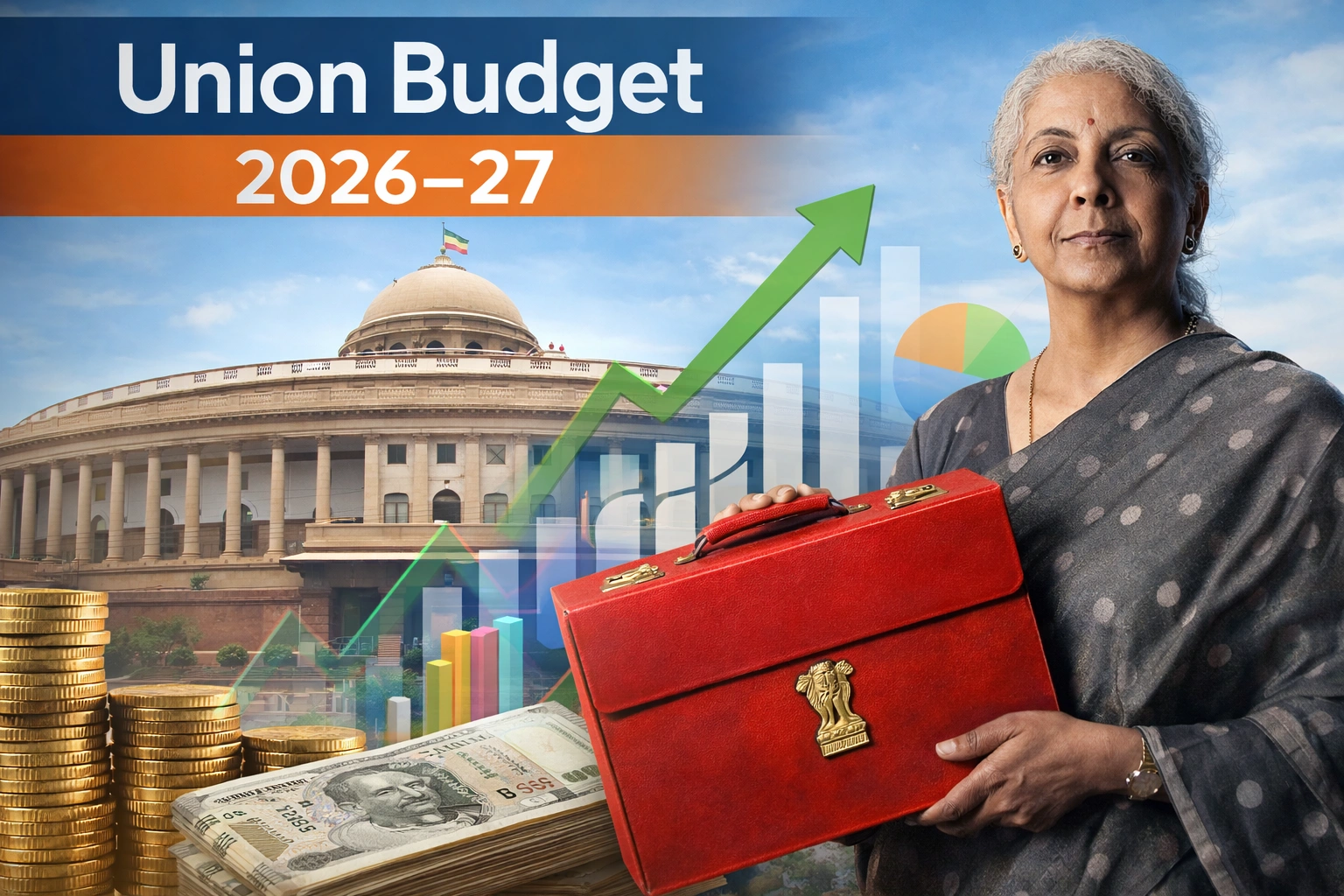
Conclusion
The Union Budget 2026–27 Highlights present a balanced approach toward economic growth, infrastructure development, digital transformation, agriculture, education, healthcare, and employment generation. By investing in both physical and digital infrastructure while maintaining financial discipline, the government aims to strengthen India's economy and improve the quality of life for its citizens.
Although budget documents may appear complex, their core objective is simple: promote inclusive growth, create opportunities, improve public services, and support long-term economic development. Understanding the Union Budget 2026–27 Highlights helps individuals, businesses, and investors make informed financial decisions while staying aware of the government's priorities for the coming financial year.